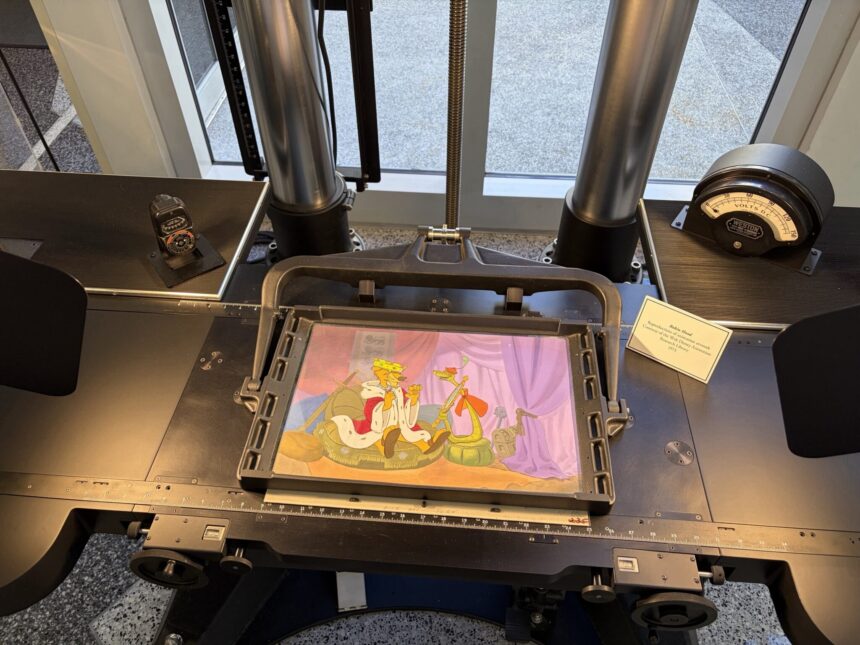
Disneyland Paris preserves one of only three surviving historic multiplane cameras from The Walt Disney Studios.
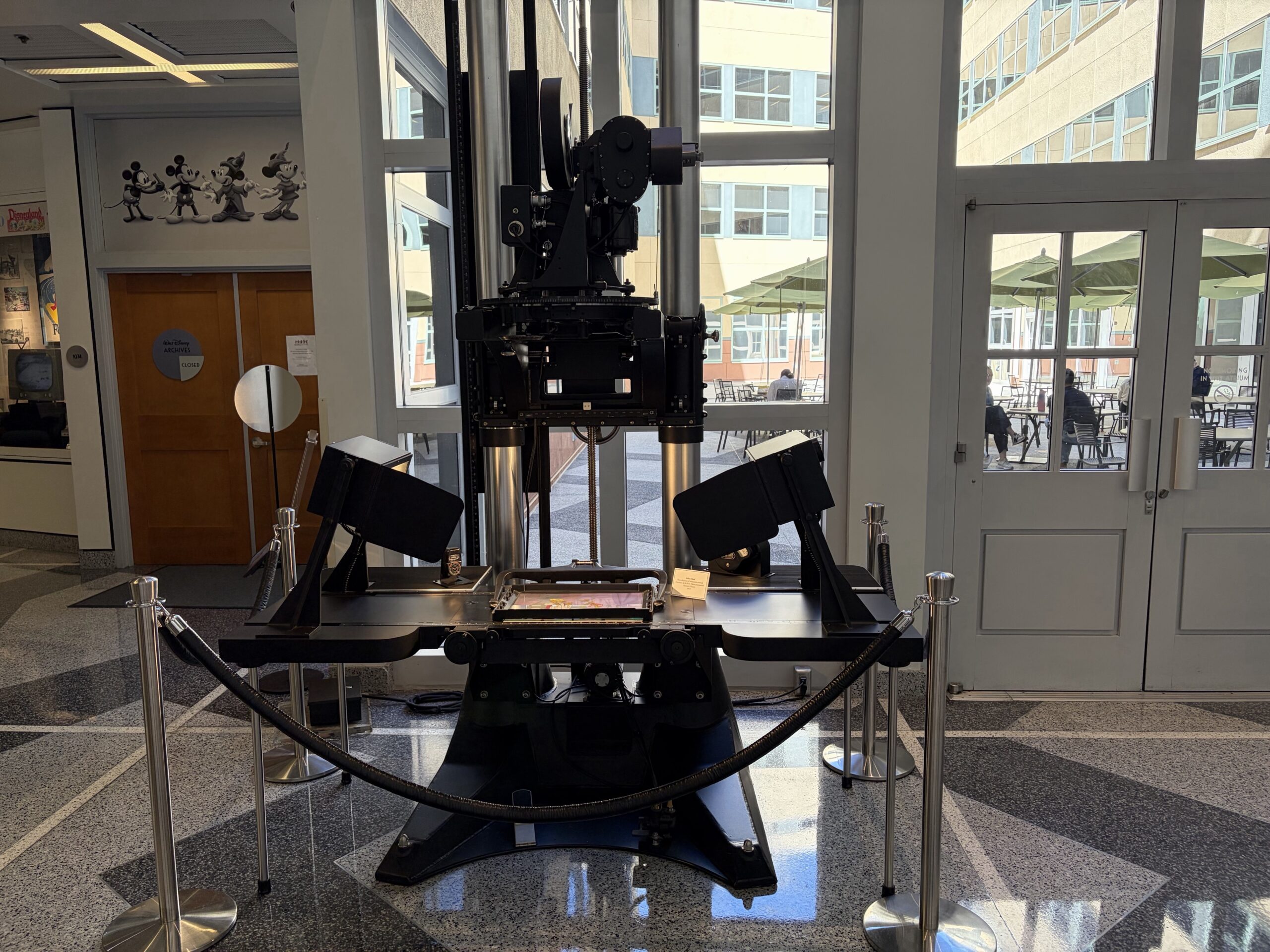
The camera turned layers of painted glass into seemingly dimensional environments. Those separate layers let filmmakers create the impression of traveling through an animated world, rather than watching a flat background.
Disney’s technical teams developed the invention in the mid-1930s. Walt Disney wanted greater depth and realism at a time when animated characters primarily moved against flat scenery.
How the camera changed Disney films
Its film debut came in 1937. The short was The Old Mill, part of the Silly Symphony series. The camera enabled movements that traditional animation techniques had made extremely difficult, or even impossible, to recreate.
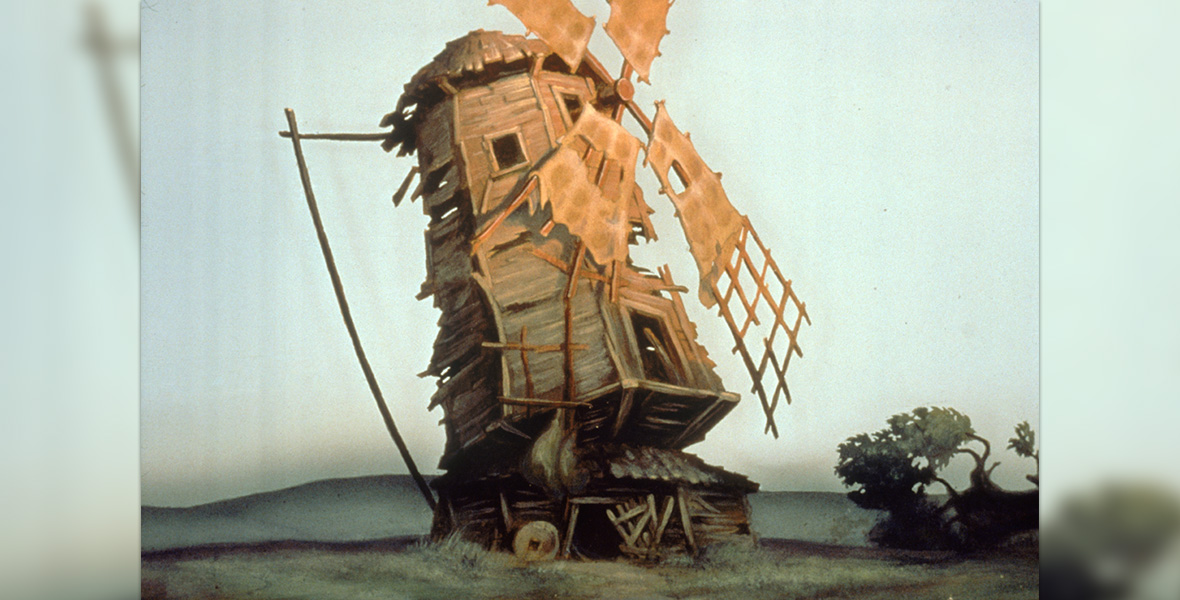
The Old Mill won the Academy Award for Best Cartoon Short Subject in 1938. That same year, Walt Disney and his teams received a Top Technical Award from the Academy for the invention.
The camera also helped bring several Disney animated features to life. Those films included Snow White and the Seven Dwarfs (1937), Pinocchio (1940), Fantasia (1940), and Bambi (1942).
In Pinocchio, the process allowed camera movements through the layered streets of Geppetto’s village.
Bambi’s opening sequence used the same principles for its forest. Different layers of vegetation unfolded before the audience, creating the impression of moving through the trees themselves.
Steven Vagnini of the Walt Disney Archives says the camera helped Disney artists and technicians advance their storytelling. He credits it with helping artists create more believable animated worlds that audiences could connect with more deeply.
Digital techniques gradually replaced the camera. Its principles of layering images and creating depth continue to influence modern animation techniques and visual effects.
The camera’s Disneyland Paris connection
The camera arrived at the resort for the former Art of Disney Animation attraction at Disney Adventure World. That attraction became Animation Celebration in 2019.
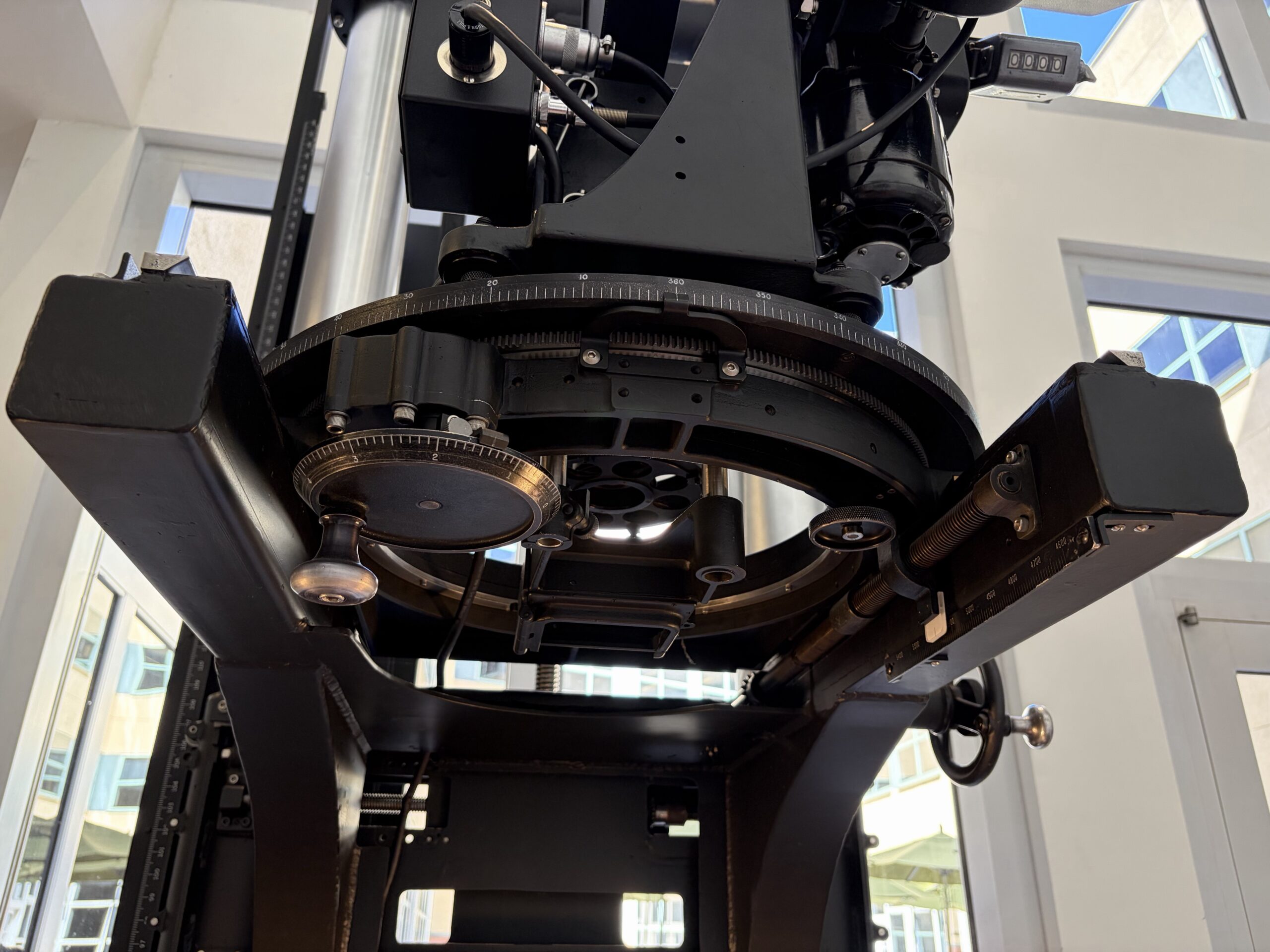
The other two surviving historic cameras have homes in California. The Walt Disney Archives preserves one in Burbank, while The Walt Disney Family Museum preserves the other in San Francisco.
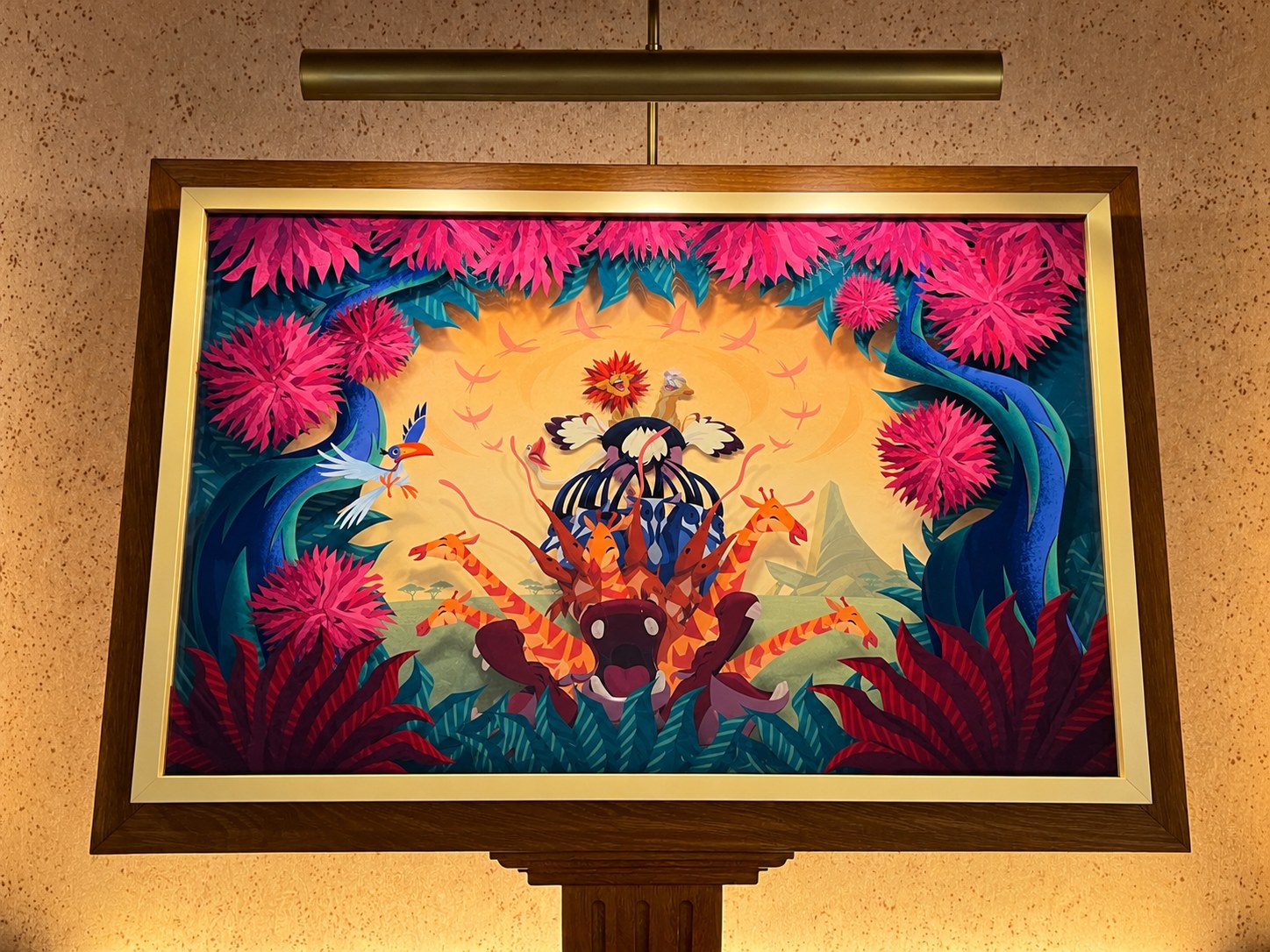
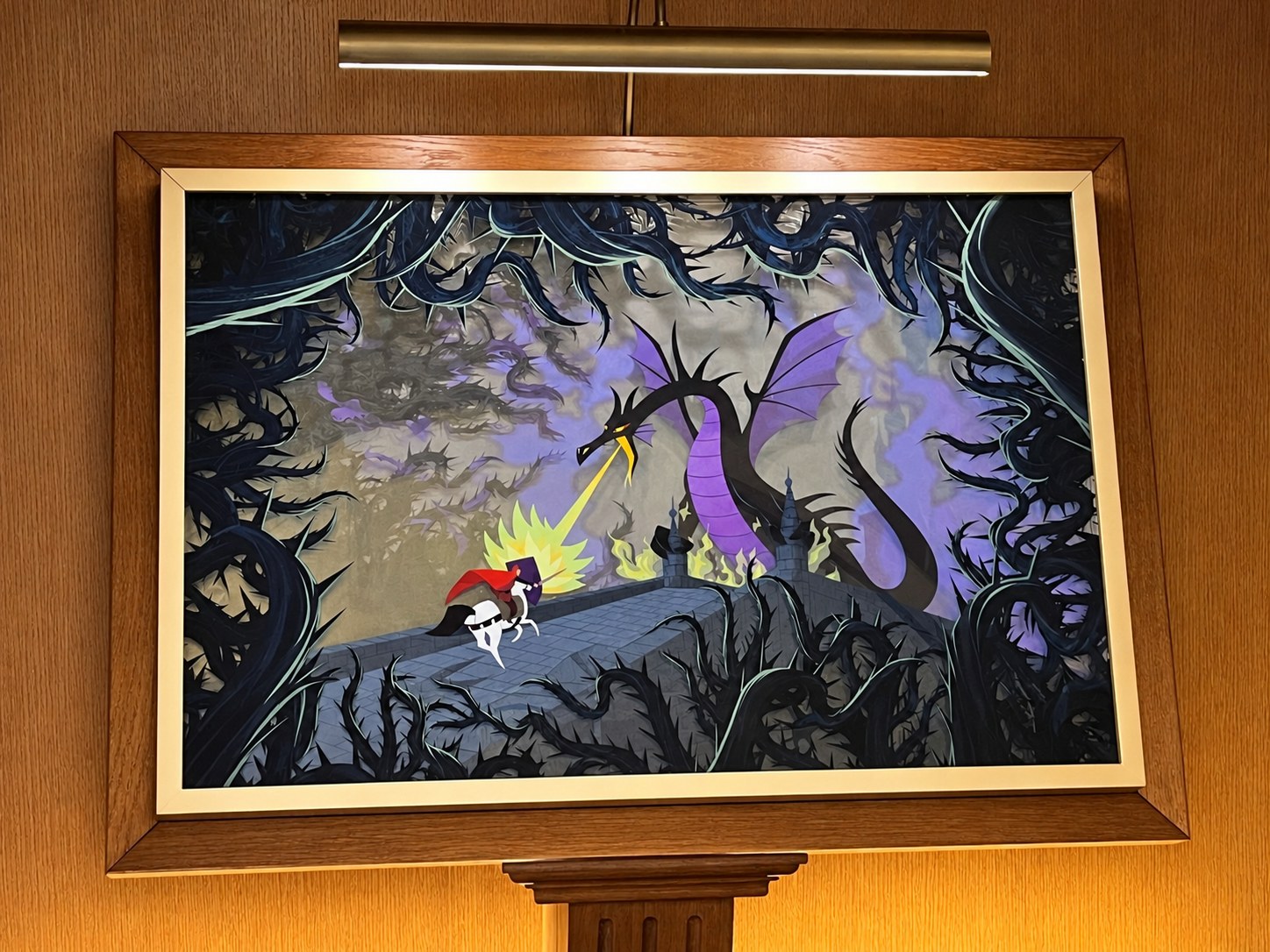
Guests can also find a tribute to the technique at the Disneyland Hotel. Its 15 dioramas depict scenes from Disney animated films. By layering different elements, the displays echo the depth-building principles behind the multiplane camera.
Source: Disneyland Paris
Discover more from Theme Park Shark
Subscribe to get the latest posts sent to your email.